

When Imperfection Becomes Intention: How Kyoto Shaped My Design Philosophy
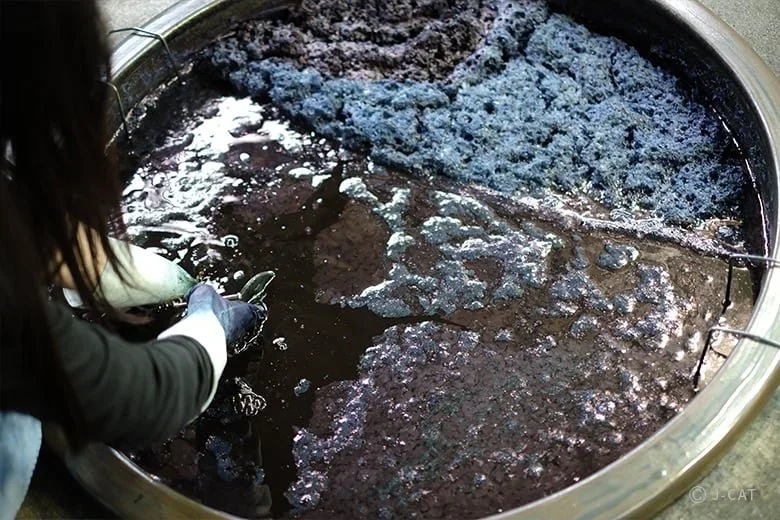
In a workshop in Kyoto, my hands disappeared into indigo vats, emerging permanently stained blue. I was learning shibori, the Japanese resist-dyeing technique where fabric transforms through repetition, patience, and controlled accident. Dip, twist, bind, dip again. Each immersion deepened the color, but also revealed the unpredictability inherent in the process. No two pieces emerged identical. The stains on my hands became a reminder that the most meaningful design carries the mark of its maker.
That blue has anchored every space I've built since- from Ode to Babel in Brooklyn to Babel Loft. It became my signature color, evident in Babel Gin's branding, the wax toppers on our bottles, the splashes throughout my venues. But more than color, Kyoto taught me to recognize when design embraces imperfection as intention.

How Did Kyoto Shape My Approach to Design?
Traditional Japanese craft principles fundamentally changed how I evaluate contemporary work. I began looking for design that shows the hand of its maker, that embraces the vulnerability of presenting something imperfect into the world. Authenticity through rawness.
Working with shifu—textile made from twisted recycled paper threads—taught me about the patience required for meaningful creation. Watching Kyoto artisans use textile to occupy negative space, creating dimensional experiences through deliberate restraint, informed how I approach all design decisions now.
The best contemporary design applies this same patience. It doesn't rush to fill every space or explain every decision. It trusts viewers to complete the conversation, to find meaning in the spaces between intention and interpretation.
What Anchored Babel's Aesthetic for Seven Years?
Among the items I carried back from Japan was an indigo ball by textile artist Hiroyuki Shindo. Not functional in any traditional sense, this piece of art found its place naturally in the interior design of Ode to Babel, speaking to the Kayabashi blue circle oil painting that lived nearby. When we moved to Babel Loft, the Shindo piece anchored the DJ booth, its deep blue creating visual dialogue with the music flowing around it.
For seven years, from opening to closure, that indigo ball remained constant while everything else evolved. It taught me something fundamental about design: the pieces that endure aren't necessarily the most perfect ones, but those that carry authentic intention and reveal their process.
This principle guided every design choice across both Brooklyn venues from the curved walls at Babel Loft (influenced by Moroccan architecture) to the way we displayed bottles and vessels. Each element needed to show its making, its history, its humanity.
How Do Traditional Craft Principles Inform Contemporary Design?
Take Martin Margiela's deconstructive aesthetic. His exposed seams, unfinished hems, garments that appear to be falling apart—these aren't stylistic quirks but fundamental elements of artistic vision. The "missing" parts of a garment tell stories about construction and history. Negative space becomes narrative.
Christopher John Rogers applies similar principles differently. His use of negative space in silhouettes isn't decoration, it's architectural. The spaces between fabric and body create dimension and movement, showing how contemporary designers can apply traditional principles of balance and void to shape how we perceive and interact with clothing.

Why Does Imperfection Matter More Than Perfection in Design?
This is what stops me when I encounter design that works: the recognition that someone took time to consider not just what to include, but what to leave out. The discipline to let imperfection teach rather than perfection perform.
The patience practice I learned in Kyoto applies everywhere now—from how I source botanicals for Babel Gin to how I program cultural events in New York. The best design decisions often involve subtraction rather than addition. Restraint over abundance. Trust over control.
When I visit contemporary spaces, galleries, or design-forward bars across Brooklyn and beyond, I'm looking for this same quality: Does the design reveal its maker? Does it trust me to complete the story? Does it embrace the beautiful accident alongside the planned intention?
Design will continue to explore how cultural principles translate across mediums and generations. How traditional craft wisdom informs contemporary innovation. How the most powerful creative decisions emerge from patience, not speed.
Share your discoveries:
What design principles from your travels have shaped how you create? Submit your field notes and images…
we're building this exploration together.